Himalayan Shilajit Gold Resin, a substance revered for its remarkable health benefits and ancient origins, is not simply stumbled upon in a store or manufactured in a lab. Its journey from the pristine peaks of the Himalayas to your wellness regimen is a fascinating and demanding one, beginning with the time-honored tradition of Shilajit harvesting. This is not a mechanized process, but a deeply human endeavor, relying on the skill, experience, and unwavering dedication of specialized harvesters who venture into the breathtaking and often treacherous high-altitude environment of the Himalayas to collect this precious resin.
The harvesting of Himalayan Shilajit is a practice that has been passed down through generations, a blend of ancient knowledge, physical prowess, and a deep respect for the mountains. It’s a process that is as unique and demanding as the substance itself, taking place in some of the most remote and challenging terrains on Earth. To truly appreciate the value of Himalayan Shilajit Gold Resin, it’s essential to understand the intricate and often perilous process through which it is harvested – a process that remains largely unchanged for centuries and continues to be a testament to human skill and resilience in the face of nature’s grandeur and challenges.
This guide will provide you with a glimpse into the world of Himalayan Shilajit harvesting, taking you on a virtual journey to the high-altitude rock faces where this ancient tradition unfolds. We will uncover the fascinating steps involved in collecting Himalayan Shilajit Gold Resin, from the perilous climbs and specialized techniques to the meticulous selection of only the purest and most potent resin. Gain a deeper understanding of the dedication, expertise, and inherent risks involved in bringing this extraordinary natural treasure from its pristine mountain origins to your hands, and appreciate the profound human effort behind each precious piece of Himalayan Shilajit Gold Resin.
Buy Pure Shilajit Resin - Gold Graded. Enjoy 75% OFF - Limited Time Offer
Pure Shilajit Resin
Himalayan Resin- 50 gram
$160
$
80
Only 2 units left on our site
-
Total Serving: 62
-
Total Weight: 50 gram
-
Total Supply: 2 months
Pure Shilajit Resin
Himalayan Resin- 100 gram
$280
$
140
Only 4 units left on our site
-
Total Serving: 124
-
Total Weight: 100 gram
-
Total Supply: 4 months
Pure Shilajit Resin
Himalayan Resin- 150 gram
$403
$
190
Only 5 units left on our site
-
Total Serving: 186
-
Total Weight: 150 gram
-
Total Supply: 6 months
Pure Shilajit Resin
Himalayan Resin- 250 gram
$600
$
300
Only 6 units left on our site
-
Total Serving: 310
-
Total Weight: 250 gram
-
Total Supply: 10 months
Pure Shilajit Resin
Himalayan Resin- 500 gram
$1000
$
500
Only 1 units left on our site
-
Total Serving: 620
-
Total Weight: 500 gram
-
Total Supply: 20 months
Pure Shilajit Resin
Himalayan Resin- 750 gram
$1400
$
700
Only 3 units left on our site
-
Total Serving: 930
-
Total Weight: 750 gram
-
Total Supply: 30 months
Buy Pure Shilajit Resin - Gold Graded. Enjoy 75% OFF - Limited Time Offer
Pure Shilajit Resin
Himalayan Resin- 50 gram-
Total Serving: 62
-
Total Weight: 50 gram
-
Total Supply: 2 months
Pure Shilajit Resin
Himalayan Resin- 100 gram-
Total Serving: 124
-
Total Weight: 100 gram
-
Total Supply: 4 months
Pure Shilajit Resin
Himalayan Resin- 150 gram-
Total Serving: 186
-
Total Weight: 150 gram
-
Total Supply: 6 months
Pure Shilajit Resin
Himalayan Resin- 250 gram-
Total Serving: 310
-
Total Weight: 250 gram
-
Total Supply: 10 months
Pure Shilajit Resin
Himalayan Resin- 500 gram-
Total Serving: 620
-
Total Weight: 500 gram
-
Total Supply: 20 months
Pure Shilajit Resin
Himalayan Resin- 750 gram-
Total Serving: 930
-
Total Weight: 750 gram
-
Total Supply: 30 months
The Himalayan Harvesting Environment: A Realm of Altitude, Majesty, and Challenge
The harvesting of Shilajit is inextricably linked to the unique and demanding environment of the Himalayas. The very essence of Himalayan Shilajit Gold Resin is shaped by the pristine, high-altitude conditions where it is formed and where it is painstakingly collected. Understanding this environment is crucial to appreciating the challenges and dedication involved in harvesting.
- High-Altitude Mountain Regions (Above 10,000 Feet): Shilajit harvesting takes place primarily in the high-altitude regions of the Himalayas, typically at elevations exceeding 10,000 feet (3,000 meters) above sea level, and often much higher, reaching altitudes of 16,000 feet (5,000 meters) or more. At these altitudes, the air is thin, oxygen levels are significantly reduced, and the human body faces considerable physiological stress. Harvesters must be acclimatized to these conditions and possess exceptional physical endurance to operate effectively in such an environment.
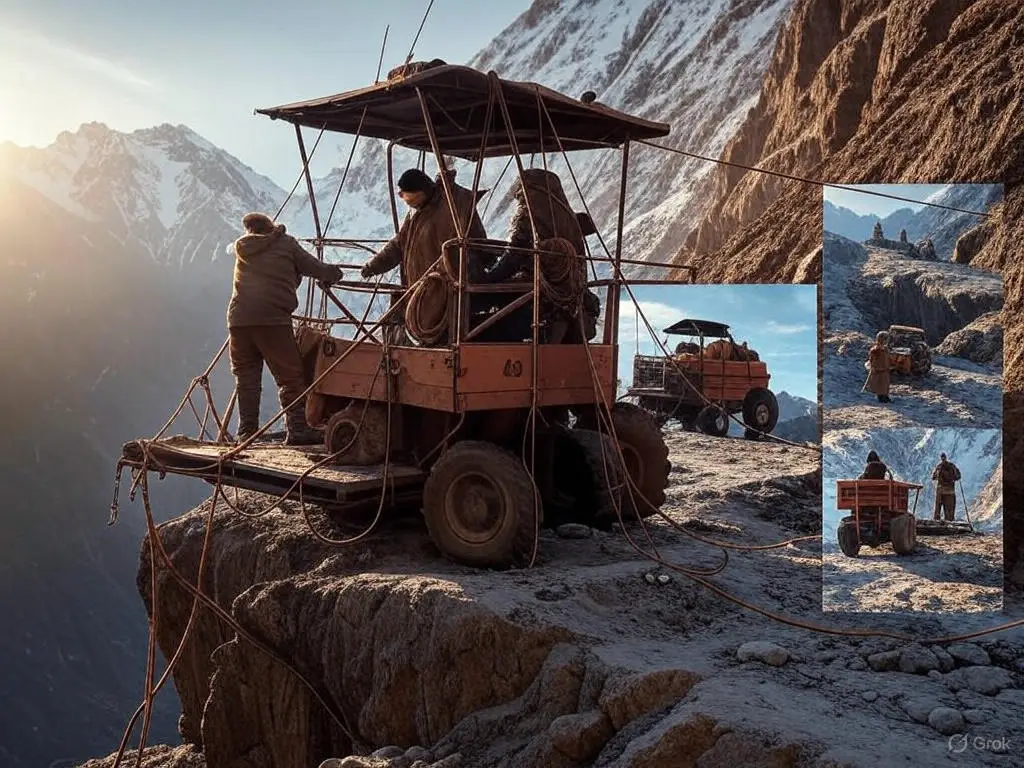
- Rugged and Treacherous Terrain: Steep Cliffs and Rock Faces: Shilajit resin is found seeping from cracks and crevices in steep cliffs and rock faces, often in remote and inaccessible locations. The terrain is characterized by jagged rocks, loose scree, steep inclines, and sheer drops. Harvesters must navigate this treacherous terrain with extreme caution and skill, often relying on ropes, harnesses, and specialized climbing techniques to reach the Shilajit deposits safely. The physical demands of traversing this rugged landscape are immense, requiring strength, agility, and surefootedness.
- Extreme Weather Conditions: Cold Temperatures, Snow, and Ice: The high Himalayas are notorious for their extreme and unpredictable weather conditions. Even during the summer harvesting season, temperatures can be frigid, especially at higher altitudes and in shaded areas. Snow and ice can persist year-round at the highest elevations, making climbing and harvesting even more challenging and dangerous. Harvesters must be prepared for sudden weather changes, including blizzards, storms, and strong winds, and must be equipped with appropriate clothing and gear to withstand these harsh conditions.
- Remote and Isolated Locations: Days or Weeks from Civilization: Shilajit harvesting sites are often located in extremely remote and isolated areas, far from human settlements and infrastructure. Reaching these locations can involve days or even weeks of trekking through mountainous terrain, carrying supplies and equipment. Harvesters must be self-sufficient and prepared to live and work in these isolated environments for extended periods, relying on their own skills and resources. Communication with the outside world can be limited or non-existent in these remote regions, adding to the challenges and risks.
- Pristine and Unpolluted Environment: A Source of Purity: Despite the harshness, the Himalayan harvesting environment is also characterized by its pristine and unpolluted nature. The high altitudes and remoteness minimize exposure to industrial pollution, agricultural runoff, and other forms of environmental contamination. This pristine environment is a crucial factor in ensuring the purity and quality of Himalayan Shilajit Gold Resin. The air is clean, the water is pure glacial meltwater, and the surrounding ecosystem is relatively untouched by human industrial activity, contributing to the natural purity of the harvested resin.
Seasonal Nature of the Harvest: Summer Months and Resin Flow
Shilajit harvesting is not a year-round activity; it is dictated by the seasonal rhythms of the Himalayas, primarily taking place during the warmer summer months. Understanding the seasonal nature of the harvest is essential to appreciating its availability and the timing of its collection.
- Summer Months (June to September): The Primary Harvesting Season: The primary Shilajit harvesting season typically falls during the summer months, roughly from June to September in the Northern Hemisphere. This is when temperatures in the high Himalayas are relatively warmer, snow and ice melt sufficiently, and the rock faces become more accessible. During winter and spring, heavy snowfall and icy conditions make harvesting extremely difficult and dangerous, and the resin flow is also reduced. Summer provides a window of opportunity for harvesters to access the high-altitude locations and collect Shilajit resin.
- Warmer Temperatures and Resin Exudation: The warmer temperatures of summer play a crucial role in facilitating the exudation or flow of Shilajit resin from the rocks. As temperatures rise, the resin, which is semi-solid and viscous in colder conditions, becomes more fluid and mobile. This increased fluidity allows it to seep out from the cracks and crevices in the rocks, making it easier to collect. The warmer temperatures also melt snow and ice, revealing more rock surfaces where Shilajit deposits may be found.
- Melting Snow and Ice: Revealing Harvesting Sites: The melting of snow and ice during summer is essential for revealing potential Shilajit harvesting sites. Throughout the winter and spring, many rock faces at high altitudes are covered in snow and ice, concealing any Shilajit deposits that may be present. As the snow and ice melt, these rock faces are exposed, allowing harvesters to identify and access areas where Shilajit resin is oozing. The snowmelt also provides a source of fresh water for harvesters during their expeditions.
- Limited Harvesting Window: Maximizing Efficiency in a Short Season: The summer harvesting season is relatively short, lasting only a few months. Harvesters must maximize their efficiency during this limited window to collect as much high-quality Shilajit resin as possible. This requires careful planning, efficient logistics, and dedicated effort during the peak harvesting months. The short harvesting season contributes to the precious and somewhat limited nature of authentic Himalayan Shilajit Gold Resin.
- Traditional Knowledge of Optimal Harvesting Time: Experienced Shilajit harvesters possess a deep traditional knowledge of the optimal time for harvesting, based on seasonal weather patterns, temperature fluctuations, and the observed flow of resin. They understand the subtle cues from nature that indicate when Shilajit is most readily available and of the highest quality. This traditional knowledge, passed down through generations, is crucial for maximizing the yield and quality of the harvest during the limited summer season.
Traditional Harvesting Methods: Manual Skill and Time-Honored Techniques
The harvesting of Himalayan Shilajit Gold Resin remains a largely traditional and manual process, relying on the skill, experience, and time-honored techniques of specialized harvesters. While some modern equipment may be used for transport or communication, the core harvesting methods are deeply rooted in tradition and human effort.
- Manual Extraction and Collection: Hands and Simple Tools: Shilajit resin is primarily extracted and collected manually, using hands and simple, non-mechanized tools. Harvesters carefully scrape or scoop the resin from the rock surfaces using small, hand-held tools such as:
- Small Scrapers or Spatulas: Tools made from metal, bone, or wood, used to gently scrape the resin from the rocks without damaging the surrounding rock face or contaminating the Shilajit.
- Small Scoops or Spoons: Small scoops or spoons, often made from non-reactive materials like wood or ceramic, used to collect the resin once it has been scraped loose.
- Brushes: Soft brushes may be used to gently sweep away loose debris or dust from the rock surface before collecting the resin.
- Rope Climbing and Harnesses: Navigating Steep Terrain: To access Shilajit deposits high on steep cliffs and rock faces, harvesters employ rope climbing techniques and harnesses. They are skilled climbers, often using traditional ropes made from natural fibers and basic harnesses for safety. Climbing ropes are anchored to secure points on the rocks, allowing harvesters to ascend and descend safely while collecting Shilajit. This rope climbing aspect of harvesting is physically demanding and requires significant skill, experience, and courage.
- Visual Identification of High-Quality Resin: Experienced Eye: Experienced Shilajit harvesters develop a keen eye for visually identifying high-quality resin in its natural state. They can distinguish between different grades of Shilajit based on its:
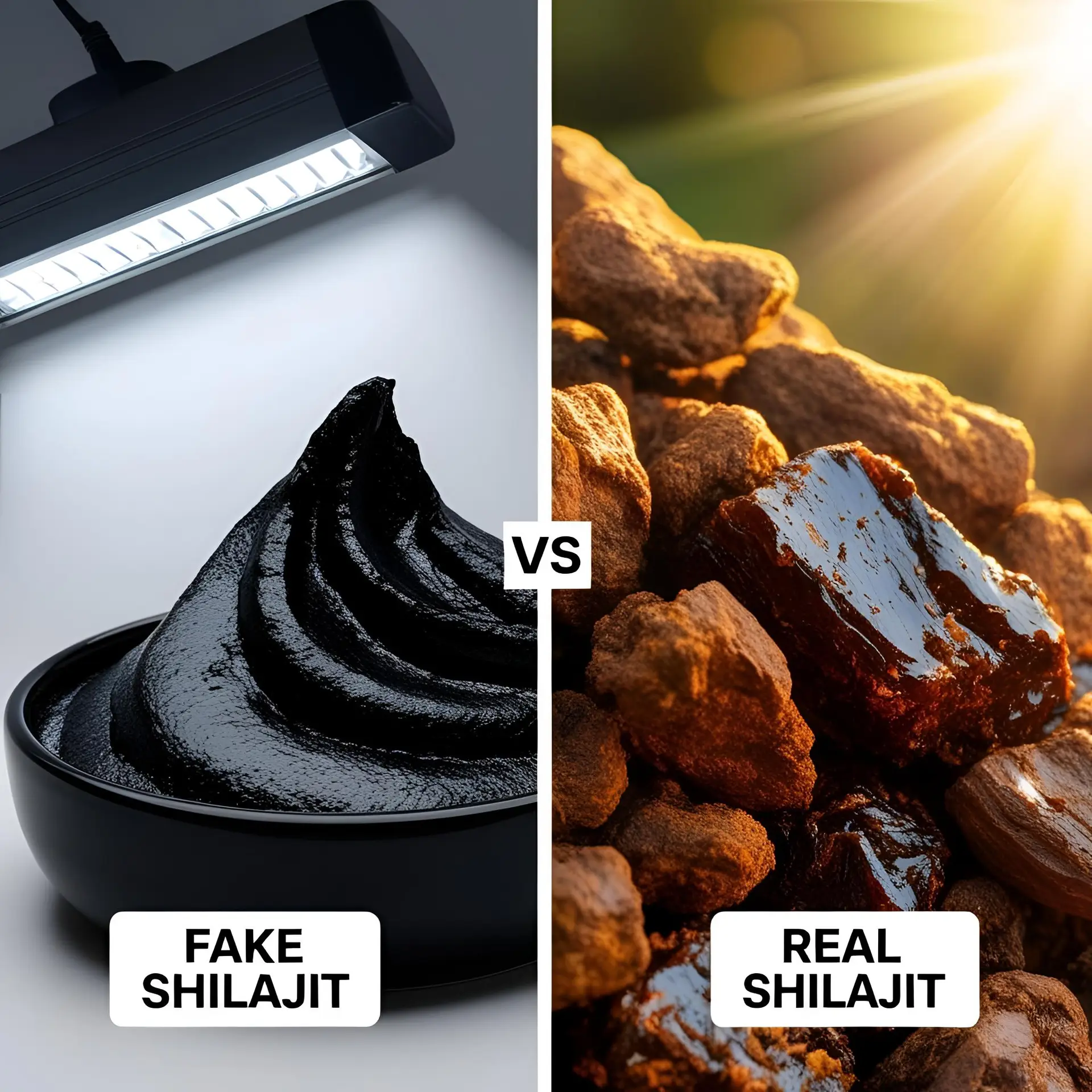
- Color: The desired color for high-quality Himalayan Shilajit Gold Resin is typically deep, dark, and ranging from almost black to dark amber or brown.
- Texture: High-quality resin should have a pliable, slightly sticky texture, not overly hard, brittle, or dry.
- Glossiness: A glossy or shiny appearance often indicates fresher, higher-quality resin.
- Aroma: Experienced harvesters can also assess quality based on the characteristic earthy, smoky aroma of authentic Shilajit.
- Selective Harvesting of Pure Resin: Avoiding Contamination: Harvesters are trained to selectively harvest only the purest Shilajit resin, avoiding contamination with rock debris, soil, plant matter, or other impurities. They carefully clean the rock surface around the resin deposit before collecting it, and they visually inspect the resin to ensure it is free from visible contaminants. This selective harvesting is crucial for maintaining the purity and quality of the raw Shilajit resin before further processing.
- Minimal Processing at Harvesting Site: Maintaining Natural State: Traditional harvesting methods emphasize minimal processing at the harvesting site. The primary focus is on collecting the raw Shilajit resin in its natural state, without significant alteration or refinement. Any initial cleaning or sorting is typically done manually and minimally, preserving the natural integrity of the resin. Further purification and processing are typically carried out at specialized facilities after the resin has been transported down from the mountains.
- Traditional Knowledge and Intergenerational Skills: Shilajit harvesting is deeply embedded in traditional knowledge and intergenerational skills. Harvesting techniques, knowledge of harvesting sites, methods for identifying high-quality resin, and safety protocols are passed down from experienced harvesters to younger generations within families and communities. This traditional knowledge represents centuries of accumulated experience and understanding of Shilajit and its Himalayan origins.
Challenges and Risks of Harvesting: A Perilous Pursuit
The harvesting of Himalayan Shilajit Gold Resin is not only demanding but also inherently risky, posing significant challenges to the harvesters who undertake this arduous task. The harsh environment, treacherous terrain, and remoteness of harvesting sites contribute to the inherent risks involved.
- Altitude Sickness and Physiological Stress: Working at extremely high altitudes exposes harvesters to the risk of altitude sickness, also known as acute mountain sickness (AMS). Symptoms of altitude sickness can range from headache, nausea, and fatigue to more severe conditions like high-altitude pulmonary edema (HAPE) and high-altitude cerebral edema (HACE), which can be life-threatening. Harvesters must acclimatize gradually to high altitudes and be aware of the symptoms of altitude sickness. The reduced oxygen levels at high altitudes also place significant physiological stress on the body, impacting physical endurance and cognitive function.
- Dangerous Terrain and Risk of Falls: Navigating the steep cliffs and treacherous rock faces where Shilajit is harvested carries a constant risk of falls and injuries. Loose rocks, slippery surfaces, and sheer drops pose significant hazards. Despite using ropes and harnesses, harvesters are exposed to the risk of falls, sprains, fractures, and more serious injuries. Accidents in these remote locations can be particularly dangerous due to the difficulty of accessing medical assistance quickly.
- Extreme Weather Conditions and Exposure: Harvesters are exposed to extreme weather conditions in the high Himalayas, including frigid temperatures, strong winds, snowstorms, and sudden weather changes. Hypothermia, frostbite, and exposure-related illnesses are constant risks. Proper clothing, shelter, and weather awareness are crucial for mitigating these dangers, but even with precautions, harvesters are vulnerable to the unpredictable Himalayan climate.
- Remoteness and Limited Access to Medical Aid: The remoteness of Shilajit harvesting sites means that access to medical aid in case of emergencies is extremely limited, often days away on foot. Harvesters must be prepared to handle minor injuries and medical issues themselves, and in case of serious accidents or illnesses, evacuation can be extremely challenging and time-consuming. This remoteness amplifies the risks associated with harvesting and necessitates a high degree of self-reliance and preparedness among harvesters.
- Physical Exertion and Exhaustion: The entire harvesting process is physically demanding, requiring prolonged periods of strenuous climbing, traversing rough terrain, and working at high altitudes. Harvesters endure significant physical exertion and are at risk of exhaustion, dehydration, and muscle strain. Maintaining adequate hydration and nutrition is crucial for sustaining energy levels and preventing exhaustion during these arduous expeditions.
- Wildlife Encounters (Though Less Common at High Altitudes): While less frequent at the highest harvesting altitudes, encounters with wildlife, such as mountain animals or birds of prey, are a potential risk in certain areas. Harvesters must be aware of their surroundings and take precautions to avoid potentially dangerous encounters with wildlife.
- Dependence on Traditional Skills and Limited Modern Safety Equipment: While harnesses and ropes are used, Shilajit harvesting often relies heavily on traditional skills and relatively limited modern safety equipment compared to professional mountaineering. This reliance on traditional techniques, while time-honored, may increase the inherent risks compared to using more advanced safety gear.
Ensuring Purity and Authenticity During Harvest: From Mountain to Collection
Maintaining the purity and authenticity of Himalayan Shilajit Gold Resin begins at the harvesting stage itself. Harvesters play a crucial role in ensuring that only the purest and highest quality resin is collected, minimizing contamination and preserving its natural integrity.
- Visual Inspection and Selection of Pure Resin: As mentioned earlier, experienced harvesters are trained to visually inspect and select only the purest Shilajit resin during harvesting. They look for specific visual cues – deep dark color, glossy texture, characteristic aroma – that indicate high-quality resin and avoid collecting resin that appears contaminated or of lower grade. This visual selection process is the first line of defense in ensuring purity.
- Careful Scraping and Collection Techniques: Harvesters employ careful scraping and collection techniques to minimize contamination during extraction. They gently scrape the resin from the rocks, avoiding excessive force that could dislodge rock debris or other impurities. They use clean tools and containers to collect the resin, preventing external contamination.
- Avoiding Contamination with Rock Debris, Soil, and Plant Matter: A primary focus during harvesting is to avoid contaminating the Shilajit resin with rock debris, soil, plant matter, or other environmental contaminants. Harvesters meticulously clean the rock surface around the resin deposit before collecting it and take care to collect only the pure resin, leaving behind any surrounding impurities.
- Collection in Clean and Non-Reactive Containers: Collected Shilajit resin is typically placed in clean and non-reactive containers, often made from materials like glass, ceramic, or food-grade plastic. These containers prevent contamination and preserve the resin’s purity during transport down from the mountains. Traditional containers made from natural materials like bamboo or woven baskets may also be used in some cases.
- Initial Sorting and Grading at Harvesting Site (Optional): In some traditional practices, harvesters may perform initial sorting and grading of the collected resin at the harvesting site itself. They may visually separate different grades of Shilajit based on color, texture, and perceived purity, setting aside the highest quality resin for premium use. This initial sorting is typically rudimentary and is followed by more rigorous purification and grading processes at specialized facilities.
- Emphasis on Traditional Harvesting Practices: Preserving Authenticity: The continued reliance on traditional, manual harvesting methods is itself a factor in ensuring the authenticity of Himalayan Shilajit Gold Resin. These time-honored techniques, passed down through generations, are intrinsically linked to the genuine Himalayan origin and contribute to the unique character of authentic Shilajit. The manual nature of the harvest, in contrast to mechanized or mass-produced processes, helps to preserve the artisanal and authentic nature of the product.
From Mountain to Market: The Journey Beyond Harvesting (Brief Overview)
While harvesting is the crucial first step, the journey of Himalayan Shilajit Gold Resin from the mountains to the market involves several subsequent stages, including transportation, purification, quality testing, and packaging. While purification is a topic for a separate post, it’s important to briefly acknowledge the steps that follow harvesting:
- Transportation Down from the Mountains (Often Manual and Difficult): Once harvested, Shilajit resin must be transported down from the remote high-altitude locations to processing facilities. This transportation is often done manually, with harvesters carrying the collected resin on their backs, often for days, over challenging mountain trails. In some areas, pack animals like mules or yaks may be used to assist with transportation. The difficulty of transportation adds to the overall cost and effort involved in bringing Shilajit to market.
- Purification and Processing (Crucial Steps for Safety and Quality): Raw Shilajit resin, while carefully harvested, still contains some impurities and needs to undergo purification and processing to remove contaminants, standardize potency, and ensure safety for consumption. Purification methods vary but typically involve filtration, extraction, and concentration techniques to isolate the desired bioactive compounds and remove unwanted substances. Purification is a crucial step in creating high-quality Himalayan Shilajit Gold Resin that is safe and effective. (This will be detailed in Post 27: Raw vs Purified Shilajit).
- Quality Testing and Authentication (Ensuring Purity and Potency): Reputable brands of Himalayan Shilajit Gold Resin subject their products to rigorous quality testing and authentication processes. Third-party testing is essential to verify purity, confirm the absence of heavy metals and contaminants, and standardize the levels of key bioactive compounds like fulvic acid. Certificates of Analysis (COAs) provide transparency and assurance of quality to consumers.
- Packaging and Distribution (Reaching Consumers Worldwide): Finally, purified and quality-tested Shilajit resin is packaged in appropriate containers, often dark glass jars to protect it from light, and distributed to markets worldwide, reaching consumers seeking its remarkable health benefits. The packaging process is designed to maintain freshness, potency, and protect the product during transit and storage.
Conclusion: A Testament to Human Skill and Nature’s Bounty
The harvesting of Himalayan Shilajit Gold Resin is a testament to human skill, dedication, and a deep connection to nature. It’s a time-honored tradition that unfolds in the breathtaking and challenging environment of the Himalayas, relying on manual techniques, traditional knowledge, and a respect for the mountains. From the perilous climbs to high-altitude rock faces to the meticulous selection of pure resin, the harvesting process is a labor of love, driven by generations of expertise and a commitment to bringing this precious natural treasure to the world.
As you incorporate Himalayan Shilajit Gold Resin into your wellness routine, take a moment to appreciate the incredible journey it has undertaken, from its pristine mountain origins to your hands. Recognize the dedication, skill, and inherent risks faced by the harvesters who brave the heights of the Himalayas to bring you this extraordinary substance. Each piece of pure Himalayan Shilajit Gold Resin embodies not only the power of nature but also the enduring spirit and resilience of those who carefully and respectfully collect it, ensuring that this ancient treasure continues to be available for generations to come. The story of Shilajit harvesting is a story of human endeavor intertwined with nature’s bounty, a story worth remembering and honoring as you experience its remarkable benefits.