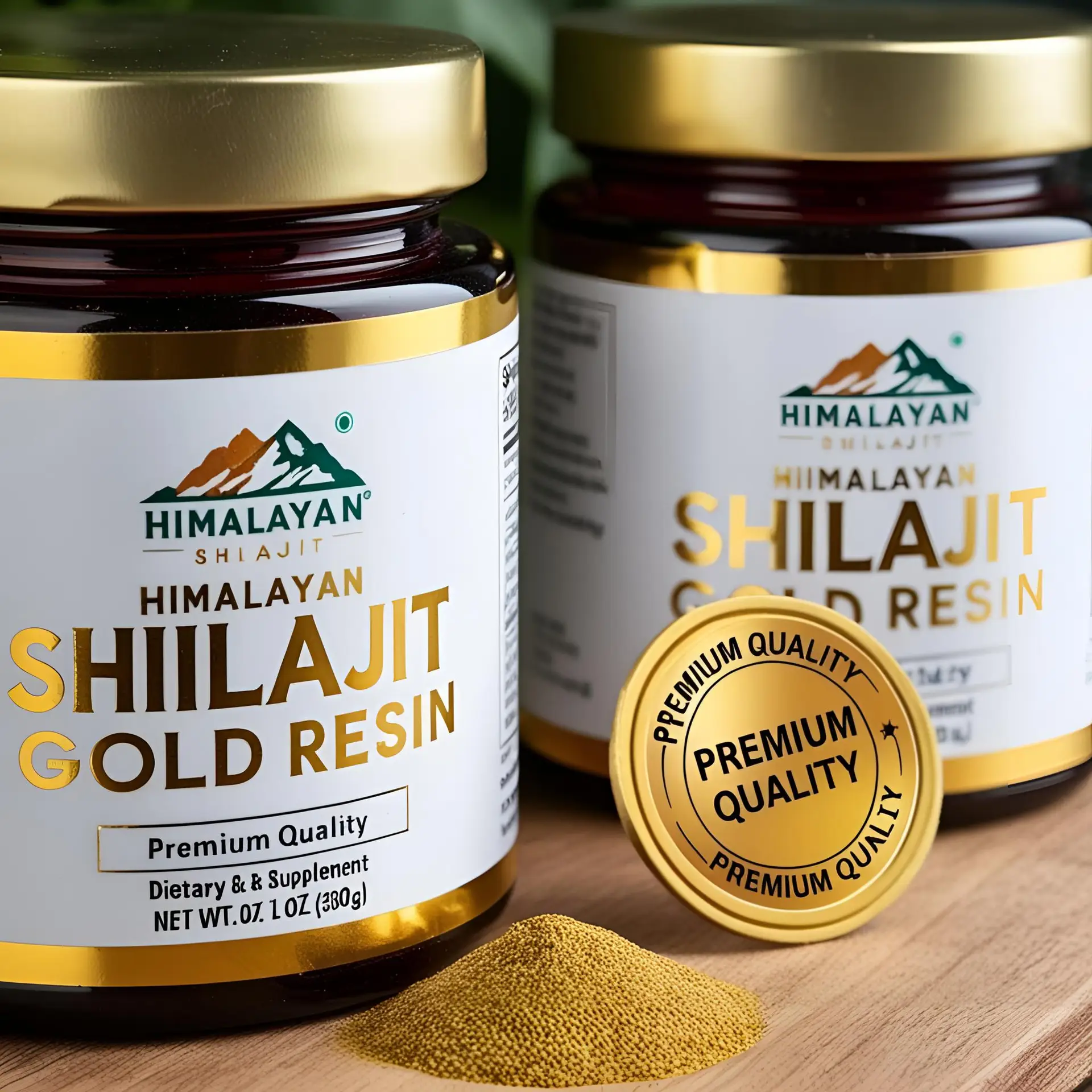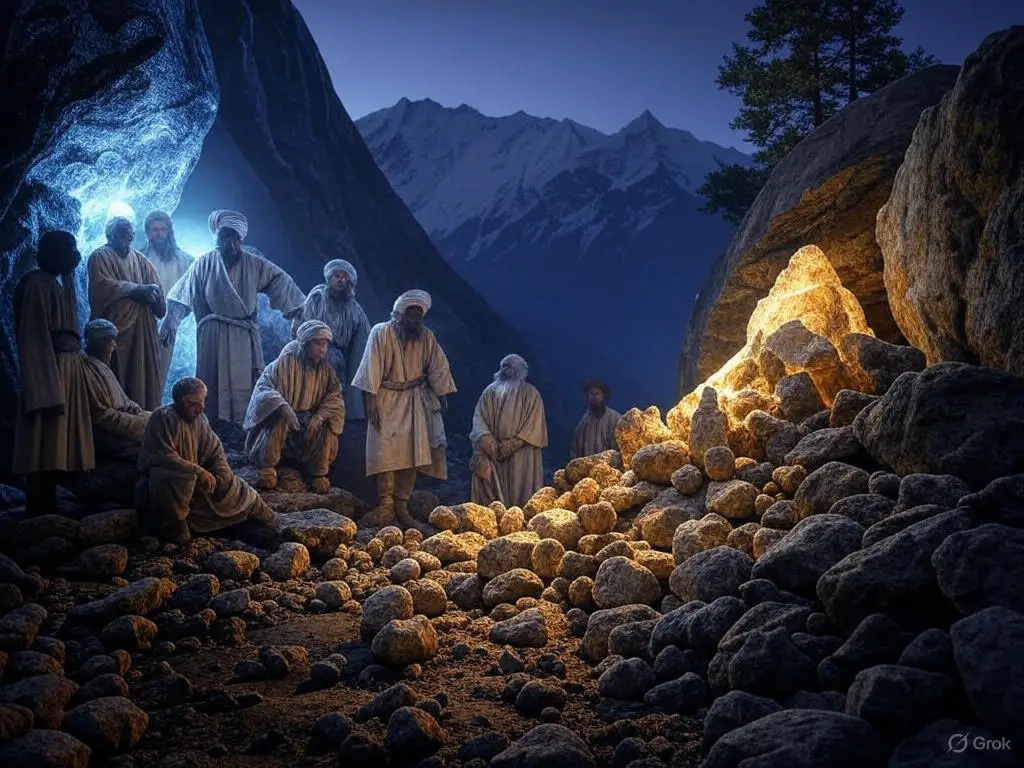
Himalayan Shilajit Gold Resin is more than just a natural supplement; it’s a substance steeped in history, shrouded in myth, and increasingly illuminated by scientific understanding. To truly appreciate the remarkable nature of Shilajit, one must delve into its captivating origin story – a tale that intertwines ancient legends with geological processes, traditional wisdom with modern discovery, and the mystical with the meticulously scientific. The origin story of Shilajit is as fascinating and complex as the substance itself, a journey that takes us back millennia, high into the pristine peaks of the Himalayas, to uncover the genesis of this extraordinary natural treasure.
For centuries, whispered tales and revered texts have spoken of Shilajit’s miraculous properties, attributing its discovery to divine intervention, keen animal observation, or accidental encounters by ancient explorers. These mythical and traditional narratives form the first layer of Shilajit’s origin story, painting a picture of a substance imbued with almost magical qualities, a gift from the mountains themselves. Layered upon these ancient accounts is the unfolding story of scientific investigation, as modern researchers delve into the geological and biological processes that give rise to Shilajit, seeking to understand its formation through the lens of empirical observation and rigorous analysis.
The true origin story of Himalayan Shilajit Gold Resin is not a singular, linear narrative, but rather a rich tapestry woven from threads of myth and science, tradition and discovery, ancient wonder and modern understanding. It’s a story that continues to unfold, as we learn more about this remarkable substance and its profound connection to the majestic Himalayas. Let us embark on a journey back in time, tracing the genesis of Shilajit, from its mythical and legendary beginnings to the scientific marvel it is increasingly recognized to be.
Buy Pure Shilajit Resin - Gold Graded. Enjoy 75% OFF - Limited Time Offer
Pure Shilajit Resin
Himalayan Resin- 50 gram
$160
$
80
Only 2 units left on our site
-
Total Serving: 62
-
Total Weight: 50 gram
-
Total Supply: 2 months
Pure Shilajit Resin
Himalayan Resin- 100 gram
$280
$
140
Only 4 units left on our site
-
Total Serving: 124
-
Total Weight: 100 gram
-
Total Supply: 4 months
Pure Shilajit Resin
Himalayan Resin- 150 gram
$403
$
190
Only 5 units left on our site
-
Total Serving: 186
-
Total Weight: 150 gram
-
Total Supply: 6 months
Pure Shilajit Resin
Himalayan Resin- 250 gram
$600
$
300
Only 6 units left on our site
-
Total Serving: 310
-
Total Weight: 250 gram
-
Total Supply: 10 months
Pure Shilajit Resin
Himalayan Resin- 500 gram
$1000
$
500
Only 1 units left on our site
-
Total Serving: 620
-
Total Weight: 500 gram
-
Total Supply: 20 months
Pure Shilajit Resin
Himalayan Resin- 750 gram
$1400
$
700
Only 3 units left on our site
-
Total Serving: 930
-
Total Weight: 750 gram
-
Total Supply: 30 months
Buy Pure Shilajit Resin - Gold Graded. Enjoy 75% OFF - Limited Time Offer
Pure Shilajit Resin
Himalayan Resin- 50 gram-
Total Serving: 62
-
Total Weight: 50 gram
-
Total Supply: 2 months
Pure Shilajit Resin
Himalayan Resin- 100 gram-
Total Serving: 124
-
Total Weight: 100 gram
-
Total Supply: 4 months
Pure Shilajit Resin
Himalayan Resin- 150 gram-
Total Serving: 186
-
Total Weight: 150 gram
-
Total Supply: 6 months
Pure Shilajit Resin
Himalayan Resin- 250 gram-
Total Serving: 310
-
Total Weight: 250 gram
-
Total Supply: 10 months
Pure Shilajit Resin
Himalayan Resin- 500 gram-
Total Serving: 620
-
Total Weight: 500 gram
-
Total Supply: 20 months
Pure Shilajit Resin
Himalayan Resin- 750 gram-
Total Serving: 930
-
Total Weight: 750 gram
-
Total Supply: 30 months
Mythical and Legendary Origins: Tales of Divine Nectar and Animal Wisdom
The earliest accounts of Shilajit’s origin are often intertwined with myth and legend, reflecting the awe and reverence with which ancient cultures regarded this extraordinary substance. These stories, passed down through generations, attribute Shilajit’s discovery to supernatural forces, divine gifts, or the keen instincts of animals. While not scientifically verifiable, these mythical origins provide valuable insights into the cultural significance and perceived value of Shilajit throughout history.
- The Legend of the “Divine Nectar” or “Elixir of the Gods”: In some ancient Himalayan folklore, Shilajit is described as a “divine nectar” or “elixir of the gods,” believed to have been created by deities or celestial beings and bestowed upon humanity as a gift for health, longevity, and vitality. These legends often depict Shilajit as a substance of extraordinary power, capable of bestowing youthfulness, strength, and even immortality. The oozing of Shilajit from the rocks is sometimes interpreted as a manifestation of this divine nectar, a sacred substance gifted by the mountains themselves. These mythical narratives elevate Shilajit beyond a mere natural substance, imbuing it with a sense of sacredness and extraordinary power, reflecting the profound respect and value ancient cultures placed upon it.
- The Story of the Wise Monkeys and the Healing Rocks: Another popular legend attributes the discovery of Shilajit to the observation of wise monkeys in the Himalayan mountains. According to this tale, ancient villagers noticed that monkeys, known for their agility and strength, would often lick or consume a dark, resinous substance oozing from the rocks. Upon observing the monkeys’ remarkable vitality and resilience, the villagers became curious about this substance. They investigated further, discovering that the monkeys were consuming Shilajit and benefiting greatly from it. Inspired by the monkeys’ wisdom, humans began to experiment with Shilajit themselves, discovering its potent health-enhancing properties. This legend highlights the role of animal observation in traditional medicine and emphasizes the natural, instinctive wisdom of animals in seeking out beneficial substances.
- Tales of Ancient Kings and Accidental Discoveries: Some stories suggest that Shilajit was discovered by ancient kings or healers who were exploring the Himalayan mountains in search of medicinal herbs or precious minerals. According to these narratives, these explorers stumbled upon the oozing Shilajit resin, perhaps initially mistaking it for a mineral deposit or some other geological phenomenon. However, upon closer examination and perhaps accidental contact or ingestion, they discovered its unique properties and potential health benefits. These tales emphasize the role of exploration, curiosity, and serendipitous encounters in the discovery of natural remedies, suggesting that Shilajit’s benefits were revealed through a combination of chance and keen observation.
- The Myth of the “Tears of the Mountains” or “Sweat of the Rocks”: In some poetic interpretations, Shilajit is referred to as the “tears of the mountains” or the “sweat of the rocks,” evoking a sense of the mountains themselves giving birth to this precious substance. These metaphorical descriptions highlight the deep connection between Shilajit and its Himalayan origin, suggesting that it is a vital essence drawn from the very heart of the mountains. The “tears” or “sweat” imagery also hints at the slow, gradual process of Shilajit formation, as if the mountains are slowly exuding their life force in the form of this resinous elixir.
These mythical and legendary origins, while not literal historical accounts, are significant because they reflect the profound cultural impact and perceived value of Shilajit throughout history. They showcase how ancient cultures viewed Shilajit not just as a medicinal substance, but as something extraordinary, almost sacred, imbued with divine or natural wisdom. These stories contribute to the mystique and allure of Shilajit, adding a layer of ancient wonder to its already remarkable properties.
Ayurvedic Perspective on Origin: Energetic Essence and Elemental Manifestation
Ayurveda, the ancient Indian system of medicine, provides a more philosophical and energetic perspective on the origin of Shilajit, viewing it not just as a physical substance but also as a manifestation of elemental energies and a product of cosmic forces. Ayurvedic texts describe Shilajit’s origin in terms of the interplay of the five elements (Panchamahabhutas) and the vital energy (Prana) of the mountains.
- Panchamahabhutas (Five Elements) and Shilajit Formation: Ayurveda posits that everything in the universe, including the human body and natural substances, is composed of five fundamental elements: Earth (Prithvi), Water (Jala), Fire (Agni), Air (Vayu), and Ether (Akasha). From an Ayurvedic perspective, Shilajit is seen as a manifestation of the balanced and harmonious interplay of these five elements within the Himalayan environment. The Earth element provides the mineral foundation, the Water element facilitates the decomposition and flow, the Fire element (sun’s energy) drives the transformation, the Air element contributes to the lightness and subtle qualities, and the Ether element represents the space and subtle energy within the substance. Shilajit’s origin is thus understood as a microcosm of the elemental balance of the natural world.
- Prana (Vital Life Force) and Mountain Energy: Ayurveda emphasizes the concept of Prana, the vital life force or energy that permeates all living beings and the natural world. From an Ayurvedic viewpoint, the Himalayan mountains are seen as reservoirs of Prana, imbued with a powerful and concentrated life force. Shilajit, formed within these mountains, is believed to absorb and embody this Prana, becoming a carrier of vital energy and life force. Its origin is thus linked to the energetic essence of the Himalayas, suggesting that it is not just a collection of chemical compounds, but also a substance imbued with vital energy and life-giving properties.
- “Sara” or Essence of Rock and Mountain: In Ayurvedic texts, Shilajit is sometimes described as the “Sara” or essence of rock and mountain. This term highlights the idea that Shilajit is not just a superficial exudate, but rather a concentrated essence extracted from the very core of the mountains through a slow and transformative process. It’s seen as the most potent and refined essence of the mineral and energetic wealth of the Himalayan environment. This perspective emphasizes the deep and intrinsic connection between Shilajit and its mountainous origin, suggesting that it embodies the concentrated power and vitality of the Himalayan landscape.
- Time and Transformation as Key Elements: Ayurveda recognizes the crucial role of time and transformation in the formation of Shilajit. The centuries-long process of plant decomposition and mineral enrichment is seen as a necessary alchemical transformation that refines and potentiates the original plant material, imbuing it with its unique therapeutic properties. This emphasis on time and transformation aligns with the Ayurvedic understanding that true healing and rejuvenation often require gradual, sustained processes rather than quick fixes.
- Energetic and Subtle Properties (Beyond Material Composition): The Ayurvedic perspective on Shilajit origin extends beyond its material composition to encompass its energetic and subtle properties. Ayurvedic practitioners recognize that Shilajit’s benefits are not solely due to its chemical constituents, but also to its subtle energetic qualities, its ability to harmonize Doshas, and its capacity to enhance Prana and Ojas (vitality and immunity). This holistic view emphasizes that Shilajit is not just a collection of compounds, but a substance with a unique energetic signature and a profound ability to interact with the body’s subtle energy systems.
The Ayurvedic perspective on Shilajit origin adds a layer of philosophical depth and energetic understanding to its story. It highlights the interconnectedness of Shilajit with the elemental forces of nature, the vital energy of the Himalayas, and the slow, transformative power of time. This perspective emphasizes that Shilajit is not just a chemical concoction, but a substance imbued with the essence and energy of its pristine and ancient origins.
Scientific Explanation of Formation: Plant Decomposition, Mineralization, and Geochemical Processes
While myth and Ayurveda offer valuable insights into the cultural and energetic understanding of Shilajit’s origin, modern science provides a more empirical explanation, focusing on the geological and biological processes that contribute to its formation. Scientific investigation points to a fascinating story of plant decomposition, mineralization, and complex geochemical transformations.
- Plant Decomposition as the Primary Raw Material: Scientific research supports the Ayurvedic understanding that ancient plant material is the primary raw material for Shilajit formation. Studies have analyzed the organic components of Shilajit and identified plant-derived compounds, confirming its origin from decomposed vegetation. The types of plants involved likely vary depending on the specific Himalayan region, but generally include alpine flora, medicinal herbs, and various species adapted to high-altitude environments.
- Humification and Fulvic Acid Formation: The initial stage of Shilajit formation involves the process of humification, the transformation of plant organic matter into humus, a complex organic substance rich in humic substances. Microorganisms, primarily bacteria and fungi, play a crucial role in this process, breaking down complex plant polymers like cellulose and lignin into simpler molecules. During humification, fulvic acid and humic acid, the key bioactive components of Shilajit, are formed. These organic acids are products of microbial decomposition and represent highly transformed and stable forms of plant organic matter.
- Mineralization and Mineral Enrichment: As humification progresses, the decomposing plant material undergoes mineralization, a process where it becomes enriched with minerals from the surrounding rocks. Mineral-rich water, flowing through the porous Himalayan rocks, percolates through the decomposing biomass, depositing minerals and trace elements. This mineral enrichment is a crucial aspect of Shilajit formation, resulting in its high mineral content and bioavailable mineral profile. The types of minerals incorporated depend on the specific geology of the rock formations where Shilajit is formed.
- Geochemical Processes and Pressure: Geochemical processes, driven by geological pressure, temperature variations, and the unique Himalayan environment, further contribute to Shilajit formation. The immense pressure within the mountains compresses the decomposing biomass, facilitating chemical reactions and transformations. The extreme temperature fluctuations, with freezing winters and warmer summers, also play a role in breaking down organic molecules and promoting mineralization. These geochemical forces act over centuries to refine and transform the plant material into the resinous substance we know as Shilajit.
- Role of Microorganisms and Symbiotic Ecosystems: Microorganisms are not just agents of decomposition in Shilajit formation; they are integral to the entire process, creating a complex symbiotic ecosystem within the rock crevices where Shilajit forms. These microorganisms not only break down plant matter but also contribute to the synthesis of bioactive compounds, modify mineral forms, and create a unique microenvironment conducive to Shilajit genesis. The specific types of microorganisms present in these Himalayan ecosystems likely play a role in shaping the final composition and properties of Shilajit.
- Slow and Gradual Accumulation: The scientific explanation emphasizes the incredibly slow and gradual nature of Shilajit formation. It’s not a process that happens quickly or easily replicated in a lab. Centuries, if not millennia, are required for plant decomposition, mineralization, and geochemical transformation to fully mature and create high-quality Shilajit resin. This slow accumulation process underscores the precious and unique nature of Himalayan Shilajit Gold Resin, a testament to the patient hand of nature over vast stretches of time.
Geological Factors: The Himalayan Terroir – Mineral-Rich Rocks and Altitude
The specific geological characteristics of the Himalayas are essential to understanding why Shilajit is primarily found in this region and why Himalayan Shilajit Gold Resin is considered particularly unique and potent.
- Mineral-Rich Rock Formations (Granite, Schist, Gneiss): The Himalayan mountain range is composed of diverse and ancient rock formations, including granite, schist, gneiss, and sedimentary rocks, many of which are naturally rich in minerals and trace elements. These mineral-rich rocks provide the geological foundation for Shilajit formation, serving as the source of mineral enrichment during the decomposition process. The specific mineral composition of these rocks in different Himalayan regions may contribute to variations in the mineral profile of Shilajit from different sources.
- High Altitude and Extreme Climate: The extreme altitude of the Himalayas, with its thin air, intense sunlight, and extreme temperature variations, creates a unique environment that is conducive to Shilajit formation. The high altitude likely influences microbial activity, decomposition rates, and the concentration of certain bioactive compounds. The harsh climate, with its freeze-thaw cycles and intense UV radiation, may also play a role in breaking down organic matter and promoting geochemical transformations.
- Porous and Fissured Rock Structures: The rocks in the Himalayan regions where Shilajit is found often have porous and fissured structures, with cracks, crevices, and fractures. These rock structures provide ideal microenvironments for plant decomposition, mineral accumulation, and Shilajit resin to form and accumulate. The porous nature allows water to percolate through, facilitating mineral transport and deposition, while the fissures and crevices provide sheltered spaces for the slow transformation process to occur.
- Water Flow and Mineral Leaching: The abundant snowmelt and glacial water in the Himalayas play a crucial role in Shilajit formation. This mineral-rich water flows through the rocks, leaching minerals and trace elements from the rock formations and transporting them to the decomposing plant material. This continuous flow of mineral-rich water is essential for the mineralization process and contributes to the high mineral content of Shilajit.
- Unique Himalayan Ecosystems and Microbial Communities: The Himalayan region is home to unique ecosystems and microbial communities adapted to the high-altitude environment. These microorganisms, specifically adapted to the Himalayan terroir, play a crucial role in the decomposition process, contributing to the formation of fulvic acid, humic acid, and other bioactive compounds. The specific microbial communities in different Himalayan regions may also contribute to variations in Shilajit composition and properties.
Biological Factors: Plant Material and Microbial Action – The Organic Foundation
While geological factors provide the mineral foundation, biological factors, particularly plant material and microbial action, are essential for the organic component of Shilajit and the formation of its key bioactive compounds.
- Alpine Flora and Medicinal Plants: The Himalayan region is renowned for its rich biodiversity, including a variety of alpine flora and medicinal plants adapted to the harsh high-altitude environment. These plants, rich in secondary metabolites and bioactive compounds, are the primary source material for Shilajit formation. The specific types of plants involved likely vary depending on the location, but may include species known for their medicinal properties, contributing to the overall therapeutic potential of Shilajit.
- Decomposition of Plant Polymers (Cellulose, Lignin): The decomposition process in Shilajit formation primarily targets plant polymers like cellulose and lignin, the structural components of plant cell walls. Microorganisms, including bacteria and fungi, possess enzymes capable of breaking down these complex polymers into simpler molecules, initiating the humification process. The breakdown of cellulose and lignin releases carbon-rich compounds that form the basis of fulvic acid and humic acid.
- Microbial Synthesis of Bioactive Compounds: Microorganisms are not just agents of decomposition; they also actively synthesize various bioactive compounds during the Shilajit formation process. Some microorganisms may produce enzymes that modify plant-derived compounds, creating new bioactive molecules. Others may directly synthesize compounds like fulvic acid and humic acid through their metabolic activities. The microbial ecosystem within the rock crevices where Shilajit forms is a dynamic bioreactor, actively contributing to the creation of its complex chemical profile.
- Influence of Plant Secondary Metabolites on Shilajit Composition: The types of plants involved in Shilajit formation directly influence its final composition, particularly the presence of plant secondary metabolites. These metabolites, such as flavonoids, terpenoids, and phenolic compounds, may be incorporated into the Shilajit matrix during decomposition and contribute to its antioxidant, anti-inflammatory, and other bioactivities. The specific plant species dominant in a particular Himalayan region may impart unique phytochemical signatures to the Shilajit formed there.
- Symbiotic Relationship Between Plants, Microbes, and Minerals: The biological and geological factors in Shilajit formation are intricately intertwined, forming a symbiotic ecosystem. Plants provide the organic material, microorganisms drive decomposition and transformation, and mineral-rich rocks supply the mineral enrichment. This complex interplay of biological and geological forces creates a unique natural alchemy, resulting in the formation of Himalayan Shilajit Gold Resin, a substance that embodies the synergistic power of nature’s intricate processes.
Historical Discovery and Traditional Knowledge: Observation and Ancient Wisdom
While the precise moment of Shilajit’s “discovery” is lost to history, it’s likely that ancient cultures gradually came to recognize its unique properties through observation, experimentation, and the accumulation of traditional knowledge.
- Likely Accidental Discovery Through Observation: The initial discovery of Shilajit was likely accidental, perhaps through the observation of animals consuming it (as in the monkey legend) or through chance encounters by early inhabitants of the Himalayan regions. Early humans may have noticed the dark resinous substance oozing from rocks and, driven by curiosity or necessity, experimented with it, gradually discovering its beneficial effects.
- Animal Observation as a Key Factor (Traditional Accounts): As mentioned in the mythical origins, traditional accounts often emphasize the role of animal observation in Shilajit’s discovery. The observation of animals, particularly sure-footed and resilient mountain creatures like monkeys or goats, consuming Shilajit and exhibiting enhanced vitality likely played a significant role in drawing human attention to this substance. Animal behavior has long been a source of inspiration and guidance for traditional medicine systems.
- Trial and Error and Gradual Accumulation of Knowledge: Early humans likely engaged in trial and error, experimenting with Shilajit and observing its effects on their own health and well-being. Through generations of observation, experimentation, and the passing down of knowledge, traditional cultures gradually accumulated a deep understanding of Shilajit’s properties, uses, and preparation methods. This traditional knowledge, refined over centuries, formed the foundation of Shilajit’s use in Ayurveda and other traditional medicine systems.
- Integration into Ayurvedic and Traditional Medicine Systems: Over time, Shilajit became deeply integrated into Ayurvedic medicine as a Rasayana and a remedy for a wide range of ailments. Its use spread to other traditional medicine systems in Himalayan regions, such as Tibetan and traditional Chinese medicine, each adapting and incorporating Shilajit into their own unique frameworks. This integration into established healing systems solidified Shilajit’s reputation as a valuable and potent natural remedy.
- Oral Tradition and Written Texts: Traditional knowledge about Shilajit origin, properties, and uses was passed down through oral tradition for generations. Eventually, this knowledge was codified in written texts, particularly Ayurvedic scriptures, which provide detailed descriptions of Shilajit, its qualities, therapeutic applications, and preparation methods. These ancient texts serve as a valuable repository of traditional Shilajit wisdom, providing insights into its historical understanding and use.
Evolution of Understanding: From Myth to Science – A Continuous Journey
Our understanding of Shilajit’s origin has evolved over time, moving from purely mythical and traditional interpretations towards incorporating scientific explanations and empirical evidence. This evolution reflects the ongoing journey of human knowledge and the interplay between ancient wisdom and modern scientific inquiry.
- Ancient Myth and Tradition as the Foundation: Mythical and traditional accounts formed the initial foundation of our understanding of Shilajit’s origin, emphasizing its supernatural or divinely inspired nature. Ayurvedic philosophy provided a more structured framework, linking Shilajit to elemental energies and vital life force. These ancient perspectives shaped the cultural perception and traditional use of Shilajit for centuries.
- Emergence of Scientific Inquiry and Chemical Analysis: With the rise of modern science, researchers began to investigate Shilajit from a chemical and biological perspective. Early scientific studies focused on analyzing its chemical composition, identifying its mineral content, and characterizing its organic components. This marked a shift towards a more empirical and reductionist understanding of Shilajit, focusing on its material constituents.
- Discovery of Fulvic Acid and Other Bioactive Compounds: A significant breakthrough in scientific understanding was the identification of fulvic acid as a key bioactive component of Shilajit. Research focused on elucidating the properties and biological activities of fulvic acid, as well as other important constituents like humic acid and DBPs. This led to a more refined understanding of the specific compounds responsible for Shilajit’s health benefits.
- Ongoing Research into Formation Processes and Mechanisms of Action: Current scientific research continues to delve deeper into the formation processes of Shilajit, exploring the roles of plant decomposition, microorganisms, geochemical factors, and the Himalayan environment. Researchers are also investigating the precise mechanisms of action through which Shilajit exerts its various health benefits at a cellular and molecular level. This ongoing research is constantly refining our understanding of Shilajit, bridging the gap between traditional wisdom and modern scientific evidence.
- Integration of Traditional Knowledge and Scientific Validation: The current trend in Shilajit research is towards integrating traditional Ayurvedic knowledge with modern scientific validation. Researchers are increasingly recognizing the value of traditional uses and insights, using them to guide scientific investigations and explore the full spectrum of Shilajit’s potential. This integrated approach aims to create a more holistic and comprehensive understanding of Shilajit, blending ancient wisdom with the rigor of modern scientific inquiry.
Conclusion: A Story Still Unfolding – The Enduring Mystery and Wonder of Shilajit’s Genesis
The origin story of Himalayan Shilajit Gold Resin is a captivating tale that spans millennia, cultures, and perspectives. From mythical legends of divine nectar and animal wisdom to scientific explanations of plant decomposition and geochemical processes, the genesis of Shilajit is a story as rich, complex, and multifaceted as the substance itself. It’s a story that reflects humanity’s enduring fascination with natural remedies, our quest to understand the secrets of the natural world, and our ongoing journey to unlock the full potential of substances like Shilajit for health and well-being.
While science continues to unravel the intricate details of Shilajit’s formation, a sense of wonder and mystery remains. The slow alchemy of nature, the interplay of geological and biological forces in the pristine Himalayan environment, and the centuries-long transformation of plant matter into this potent resin – all contribute to the enduring mystique of Shilajit’s origin. It’s a story that reminds us of the power of nature, the wisdom of ancient traditions, and the ongoing journey of discovery that continues to reveal the remarkable secrets held within the natural world. As you embark on your own Shilajit journey, take a moment to appreciate the incredible origin story of this ancient treasure, a story that began high in the majestic Himalayas, and continues to unfold with each new scientific insight and personal experience. The genesis of Shilajit is a testament to the enduring power and wonder of nature’s gifts, waiting to be explored and experienced.